
The domestic auto industry is set to hit an all-time high sales figure of 12.2 million units in 2009-10, surpassing the previous sales record of 10.1 million units in 2006-07.

The skyline is getting crowded by the day--not only in the big cities but across the country. India is expected to double the number of branded hotel rooms from 100,000 now in just three years. Leading the pack are global hotel chains, which will add over 300 hotel properties (an estimated 55,000 rooms) in the country by 2013.

Although the broad contours of the proposed agreement with Ashok Leyland to build a range of small cars is yet to be outlined, Nissan's intention is clear counter Volkwagen's plans with Suzuki to target the compact car segment.
Chennai-based Ashok Leyland Ltd, the second largest truck maker in India, has inaugurated an integrated manufacturing facility at Pantnagar, Uttarakhand. This unit, in which Rs 1,500 crore (Rs 15 billion) have been invested, is the company's seventh.

Auto makers, who enjoyed a record-breaking sales run over recent months, are now bracing themselves for upheaval, led primarily by changing government policies and rising inflationary pressures.

As the April 1, 2010 deadline nears for introducing Bharat Stage-IV emission-compliant vehicles, manufacturers are worried about the availability of the BS-III fuel.

The move comes after Renault's troubled five-year partnership with Mahindra & Mahindra failed to provide the French company with a platform to become a serious player in the country.

The company had got 100,000 bookings in the first phase.

Manufacturers that mainly sell diesel cars like Mahindra & Mahindra, Tata Motors, Toyota, Mercedes, BMW and Volkswagen anticipate a significant fall in sales if the government accepts the Parikh committee's recommendation of a flat tax of Rs 80,000 on diesel cars, because of a widening cost differential with petrol variants.
Manufacturers that mainly sell diesel cars like Mahindra & Mahindra, Tata Motors, Toyota, Mercedes, BMW and Volkswagen anticipate a significant fall in sales if the government accepts the Parikh committee's recommendation of a flat tax of Rs 80,000 on diesel cars, because of a widening cost differential with petrol variants.

The bad news is that the company has reported an output constraint at its plants because some component vendors were unable to keep pace with the faster production cycle.

This is the total of both, direct and indirect employment growth as a result of the expansion. Estimates put together by the Society of Indian Automobile Manufacturers (Siam) say this will be the extra added between now and 2012, to support the ever-increasing demand for new vehicles.

These companies are keen on having a presence in the segment below their current range of premium sedans, whose market is relatively smaller in size.
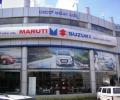
Rise in prices of essential inputs increases cost of producing cars, making them less affordable.
Leading carmakers are considering raising prices of their vehicles across the board, if the government withdraws the excise duty benefit in the coming Budget.
Chinese auto component manufacturers are quietly making inroads into India.
Toyota Motor Corporation unveiled the much-awaited small car that it developed for the Indian market at the Delhi Auto Expo.

Contrary to expectations that car sales dip in December, auto majors Maruti Suzuki and Hyundai Motor India are poised to grow 30 per cent in sales (the two companies control 72 per cent of the domestic market). General Motors is looking at 70-80 per cent increase in sales.
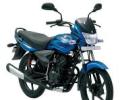
Bajaj Auto, the country's second-largest manufacturer of motorcycles, has phased out two more models. This makes four bike models phased out in four months, due to weak demand.

The Delhi-based group has already announced Rs 2,300-crore (Rs 23-billion) investment in setting up a number of luxury and mid-market hotels across business and leisure destinations in India and abroad.
 © 2026 Rediff.com - Investor Information - Advertise with us - Disclaimer - Privacy Policy - Sitemap - Feedback - About us - Terms of use - Grievances